
Private-label skin care: planning a clear product range
Start with a defined need
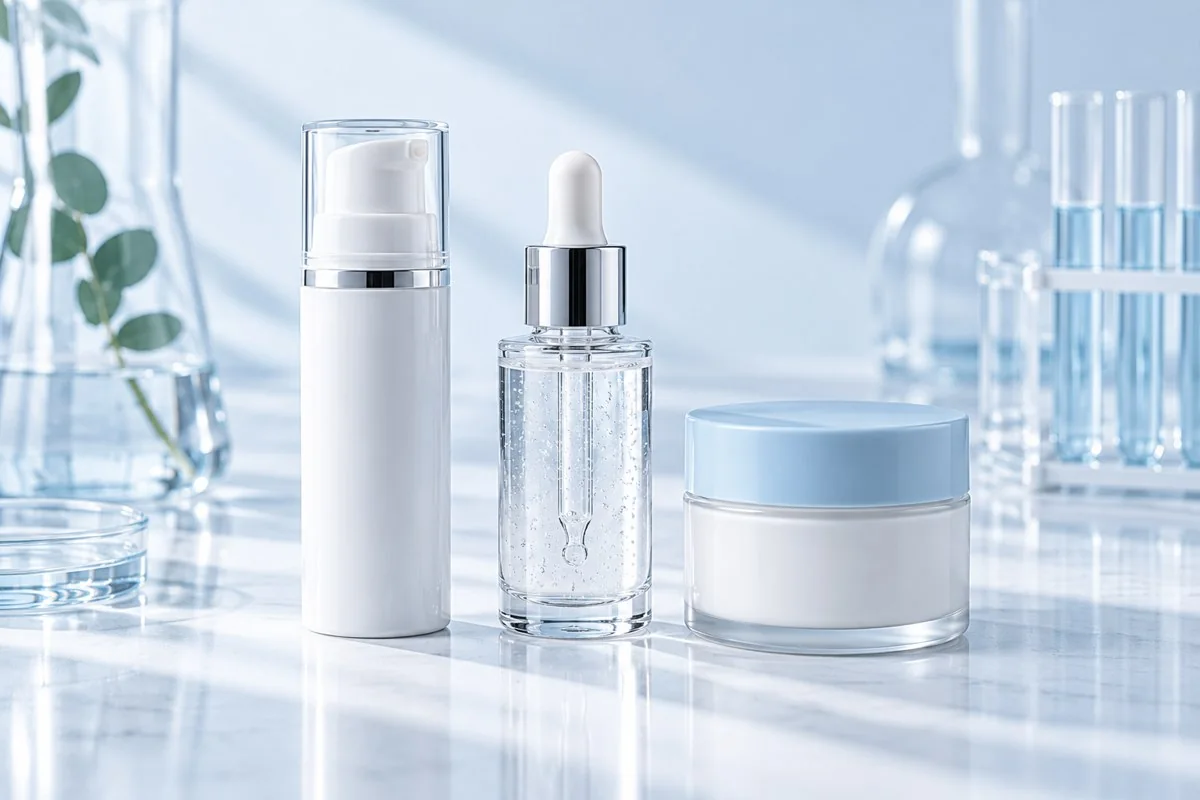
Before choosing the number of products, define the audience and the range’s purpose. A cleansing-and-moisturising range differs from one focused on a radiant-looking complexion. Write a short role for each item and explain how the products relate. This helps guide product formats, packaging and consistent information.
A brief that supports useful comparisons
Document the category, format, size, packaging, audience and target market. Add design preferences and whether the range will launch together or in stages. Compare proposals with a similar scope, separating essential requirements from flexible preferences. A clear brief makes differences between proposals easier to assess.
Keep descriptions aligned with the product
Names should identify the actual product: urea cream, facial cleanser or mouth spray, rather than an ambiguous generic label. Ingredients, pack size and directions should match the product information. Cosmetic care descriptions should not be turned into treatment promises or guaranteed outcomes based on one ingredient.
Defining the manufacturing project
A private-label project starts with a clear brief covering the product category, role, format, fill size and required quantity. Packaging, branding, documentation and the expected schedule are then discussed with the manufacturer. Existing product examples can clarify the concept, while the new project receives its own agreed specification.