
Private-label skin care: planning a clear product range
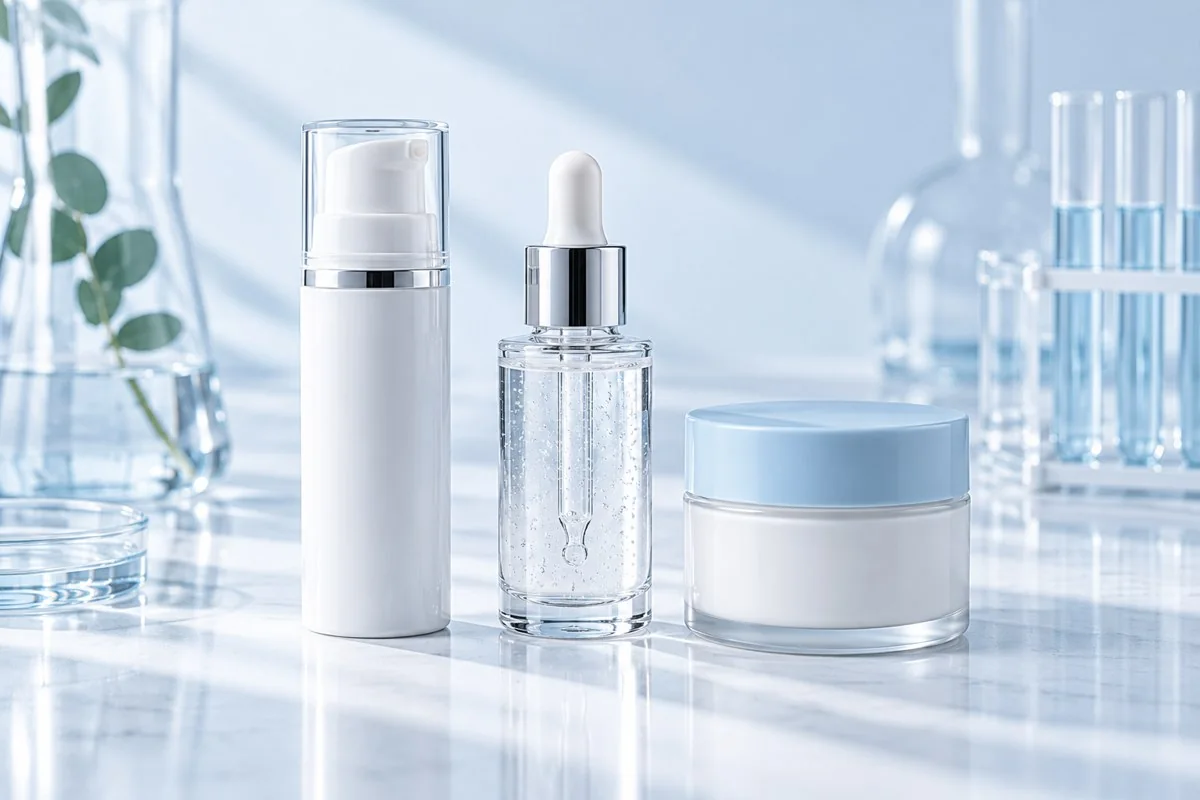
Start with a defined need
Before choosing the number of products, define the audience and the range’s purpose. A cleansing-and-moisturising range differs from one focused on a radiant-looking complexion. Write a short role for each item and explain how the products relate. This helps guide product formats, packaging and consistent information.
A brief that supports useful comparisons
Document the category, format, size, packaging, audience and target market. Add design preferences and whether the range will launch together or in stages. Compare proposals with a similar scope, separating essential requirements from flexible preferences. A clear brief makes differences between proposals easier to assess.
Keep descriptions aligned with the product
Names should identify the actual product: urea cream, facial cleanser or mouth spray, rather than an ambiguous generic label. Ingredients, pack size and directions should match the product information. Cosmetic care descriptions should not be turned into treatment promises or guaranteed outcomes based on one ingredient.
Using the SAMCO catalogue
Explore ALPHIA and private-label examples, then compare product formats, highlighted ingredients and sizes on their individual pages. Use the comparison to define your own requirements rather than assuming every product can be replicated unchanged. The cosmetics sector and skin-care formats guide provide further context.